Engineering the Movement of Work, Material, and Data
Process flow is the backbone of operational performance. Even advanced automation systems underperform when workflows are poorly structured.
Axionyx Engineering & Robotics designs optimized process architectures that:
- Reduce cycle time
- Eliminate bottlenecks
- Improve material handling efficiency
- Increase production capacity
- Enhance system synchronization
We analyze how work moves through your facility — then engineer it for measurable performance gains.
Core Capabilities
Throughput & Bottleneck Analysis
We identify constraints that limit system output.
- Cycle time evaluation
- Queue length assessment
- Resource utilization analysis
- Constraint identification
- Line balancing studies
Using quantitative modeling, we determine the true limiting factors within your operation.
Facility Layout Optimization
Physical layout directly impacts flow efficiency.
We engineer layouts that optimize:
- Material travel distance
- Equipment placement
- Storage positioning
- Workflow directionality
- Safety zones
Strategic layout redesign often produces immediate efficiency improvements.
Workflow Simulation & Modeling
Before changes are implemented, we simulate outcomes.
- Digital process modeling
- Discrete event simulation
- Capacity forecasting
- Scenario comparison analysis
- Production scaling simulations
This reduces risk and ensures validated performance projections.
Lean System Redesign
We apply structured efficiency methodologies to reduce waste.
- Value stream mapping
- Non-value-added activity elimination
- Standardized workflow development
- Process simplification
- Continuous improvement frameworks
Our objective is to engineer lean, high-velocity systems.
Engineering Approach
Structured Flow Optimization Framework
1. Data Collection & Mapping
We map the current state using quantitative performance data.
2. Constraint Identification
Through system analysis, we determine throughput limitations.
3. Optimization Modeling
Alternative workflow structures are modeled and tested digitally.
4. Implementation Planning
We develop structured execution strategies to minimize disruption.
5. Performance Verification
Post-implementation metrics confirm measurable improvement.
Each redesign is supported by documented performance analysis.
Key Performance Outcomes
Process flow redesign typically achieves:
- 15–35% throughput increases
- Reduced material handling time
- Lower work-in-progress inventory
- Shorter lead times
- Improved labor efficiency
- Increased production predictability
Optimization is measured through data — not assumptions.
Integration With Automation
Process Flow Design is fully aligned with automation strategy.
We ensure:
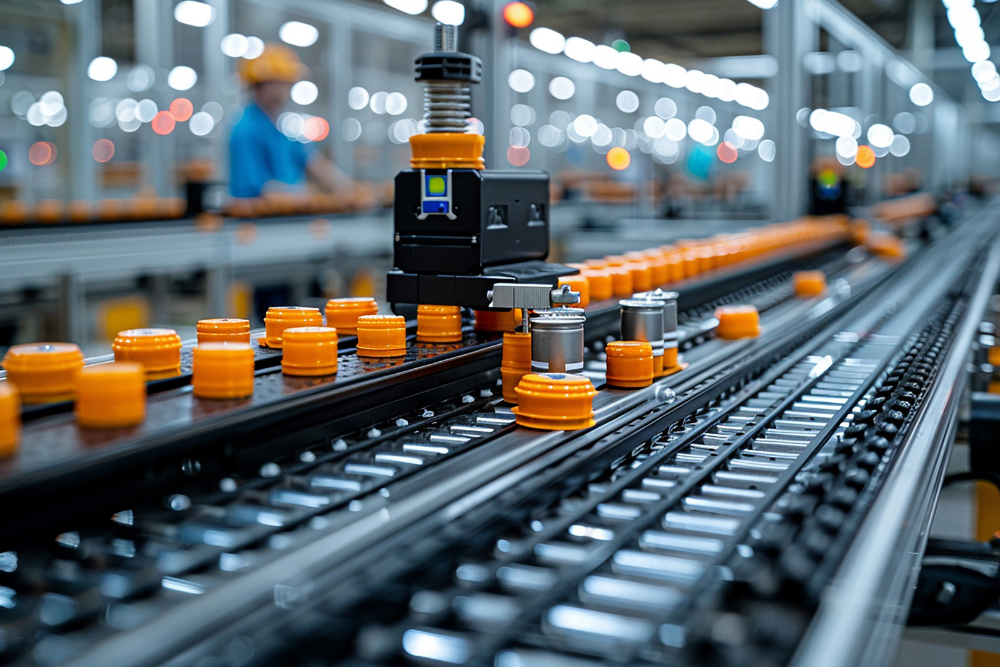
- Conveyor alignment with production rhythm
- Robotics cycle synchronization
- Balanced upstream and downstream processes
- Scalable capacity integration
- Data-driven control system compatibility
Flow design and automation architecture operate as a unified system.
Ideal Applications
Process Flow Design services are ideal for:
- Manufacturing line reconfiguration
- Facility expansions
- Production bottleneck elimination
- High-growth scaling environments
- Automation pre-planning
- Lean transformation initiatives
Long-term Scalability
Every process architecture is designed for adaptability.
We account for:
- Future production increases
- Equipment expansion
- Additional automation integration
- Changing product lines
- Evolving operational requirements
Scalable design ensures long-term operational resilience.
Engineer a Faster, More Efficient Operation
If your operation is constrained by inefficiencies, bottlenecks, or capacity limitations, Axionyx Engineering & Robotics will engineer a structured, data-backed solution.